Free Shipping on Orders Over $50


Single origin coffee comes from one clearly identified source—often a specific farm, cooperative, or micro-region—rather than a blend of coffees from multiple places. At YIELD Coffee Roasters, single origin lots let us showcase the nuances of place, process, and season, while blends give cafés and restaurants reliable flavor profiles and consistency service after service.

If you’re exploring which coffees to feature at home or in a wholesale program, it helps to understand where single origin shines, how it compares to blends, and what to expect in the cup. For deeper context on the journey from farm to bar, see our overview of coffee from seed to cup, and for brew technique basics visit our brew guides.
Friendly, no-pressure consult. We’ll align coffees, training, and equipment to your menu.
What “single origin” actually means
At minimum, single origin indicates a coffee from one producing country. In specialty coffee, the standard is tighter: one region, one co-op, or even a single farm/lot. The goal is traceability and a flavor identity you can taste. For example, our ethiopia duromina highlights classic Ethiopian florals and citrus; our colombia la roma shows layered sweetness and stone fruit from a defined place.
Single origin vs. blends: trade-offs to consider
- Flavor precision: single origin lots emphasize terroir and processing; blends smooth those edges into a house profile. If you’re building a menu anchor, a blend such as our medium espresso blend offers dependable balance shot to shot.
- Consistency: blends buffer harvest and seasonal shifts. Single origins rotate, which is ideal for features, flights, and limited releases. Explore our current line-up via wholesale guide.
- Menu strategy: many partners run a reliable house blend plus 1–2 rotating single origins for pour-over or an espresso guest feature. See our coffee consulting for program design.
How processing impacts single origin flavor
Processing—how the fruit is removed and dried—shapes the final profile. If you’re new to tasting, compare lots processed differently to calibrate your palate (and reference our cupping guidelines).
- Washed: cleaner, brighter acids; origin clarity. Great for training staff on extraction. Pair with our v60 guide for a clean pour-over.
- Natural: fruit-forward, jammy; heavier body. Excellent for filter features and signature drinks.
- Honey/anaerobic: layered sweetness, unique aromatics; requires dial-in. See grind science to control extraction.
When to buy single origin vs. a blend
Choose single origin when you want:
- Distinct tasting notes to differentiate your menu (e.g., bergamot and jasmine from Sidama—try our ethiopia sidama when available).
- Educational flights, limited features, or seasonal spotlights. Cross-promote with case studies to tell the sourcing story.
- Retail rotation that rewards regulars and club subscribers—consider the coffee club subscription.
Choose a blend when you need:
- High consistency for espresso or batch brew (our dark espresso blend or old school dark roast are service-friendly).
- A specific milk-drink profile across baristas and shifts—support with our barista training fundamentals.
- Predictable cost controls and simplified ordering—see wholesale ordering.
How to brew single origin coffee for clarity
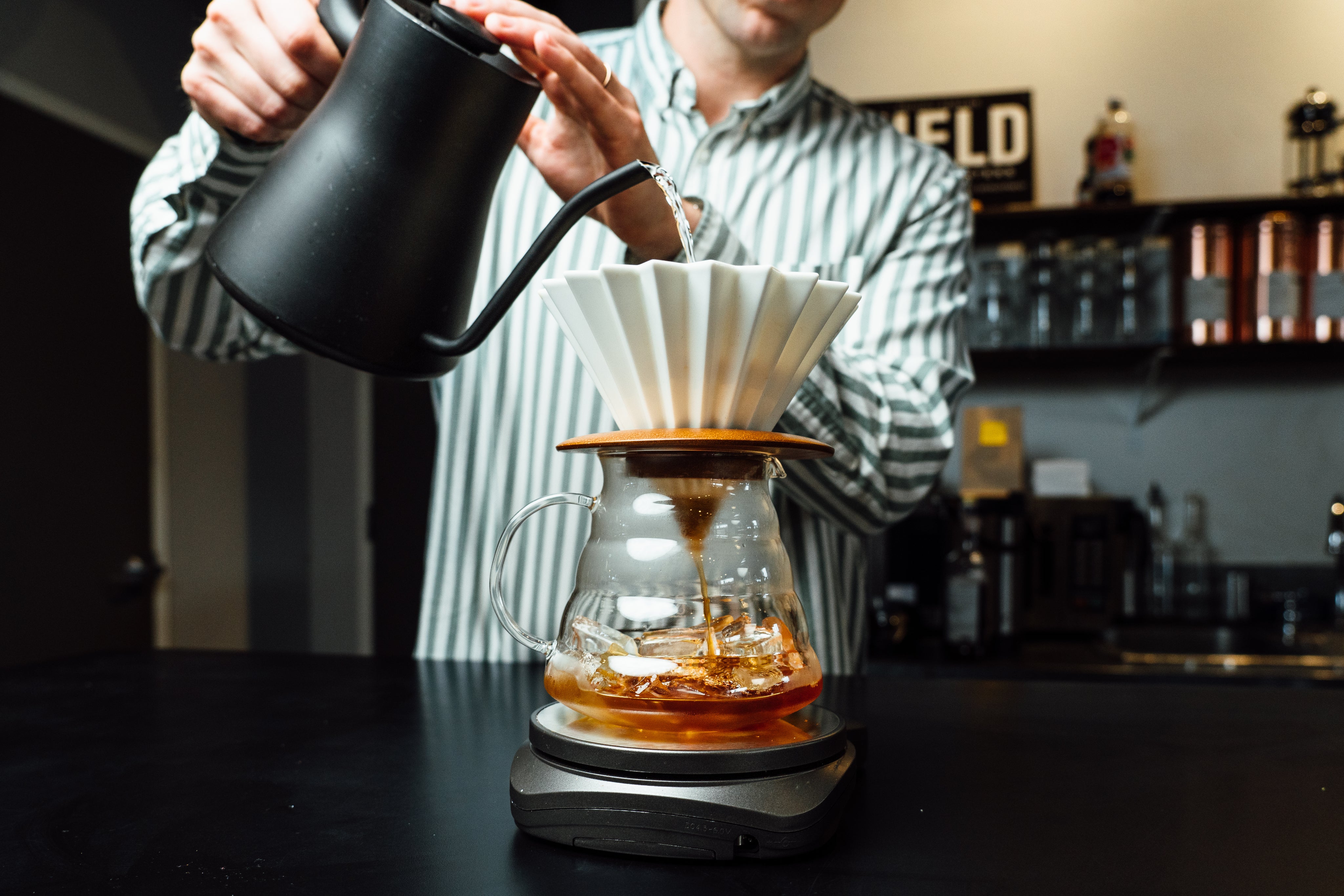
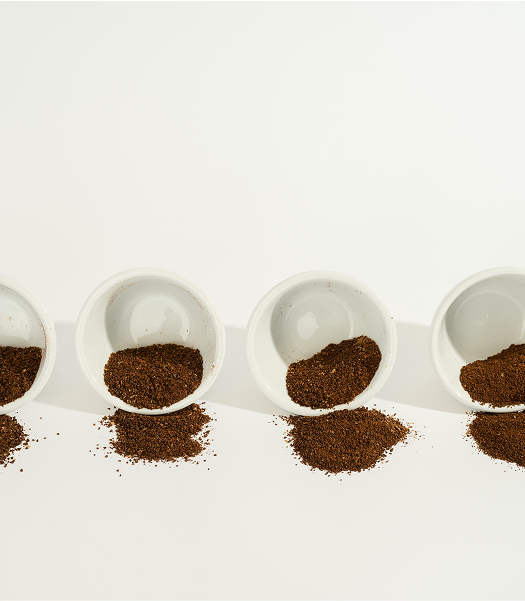
To preserve the nuance you’re paying for, control grind, dose, and water. Start with our brewing basics, then refine with the chemex or v60 for clean extractions. Prefer more body? Use the french press brew guide. If your cups taste muddled or thin, revisit grind size and brewing recommendations.
Buying tips for single origin coffee
- Look for transparency: farm/region, process, elevation, and harvest window.
- Freshness matters: most lots peak 7–21 days off roast. Check the date on each bag.
- Match brew to profile: delicate washed Ethiopias excel as filter; syrupy naturals can carry milk drinks.
- Plan rotations: rotate features while keeping one dependable anchor—see our wholesale guide for menu patterns.
A curated sampler to compare processing styles and origins side by side.
FAQs: single origin coffee
Is single origin better than a blend?
It depends on the job. Single origin is ideal for showcasing place and process; blends optimize for consistency and a specific flavor goal. Many partners use both. For program design support, explore our coffee consulting.
Does single origin cost more?
Often, because lots are smaller and traceability is higher. The trade-off is a more distinctive story in the cup. If you’re budgeting, mix single origin features with a dependable blend for volume brews. When ready to scale, see our full wholesale offerings.
What brewing method shows single origin best?
Pourover methods (v60, chemex, kalita) are the cleanest lens. For fuller body, the french press is excellent. Dial in with our grinding guide.
Ready to dial in a single origin feature for your café, office, or restaurant? We’ll help you select coffees, train staff, and lock in a brew spec that delivers.
We typically reply within one business day.