Summer sale - 20% off applied at checkout!


“organic coffee vs conventional” is a common decision for both home brewers and operators. Beyond the label, you’re weighing agronomy, environmental impact, cost, and—most importantly—cup quality. At YIELD Coffee Roasters, we source relationship coffees with a clear chain of custody and roast to express origin. Sometimes that’s an organically certified lot; other times, a non-certified smallholder delivers extraordinary quality and documented good practices.

Use this guide to choose confidently, then explore brewing fundamentals in our brewing basics and compare sensory notes with our coffee flavor profiles guide. If you want a structured overview of coffee’s journey, start with coffee from seed to cup.
menu design, staff training, and coffee selection aligned to your goals.
what “organic” means in coffee
- inputs & soil health: certified organic prohibits synthetic fertilizers/pesticides; farmers use composts, mulches, and biological controls.
- documentation: certification requires audits and traceability—helpful for larger buyers needing standardized proof.
- costs: audits and transition periods add expense; yields can be lower during conversion, impacting price.
Many smallholders practice low-input or regenerative methods but skip certification due to cost. In direct relationships, we verify practices and outcomes at the lot level—see our approach to relational coffee.
conventional coffee (and why it can still be excellent)
“Conventional” simply means not certified organic. It spans a spectrum—from thoughtful integrated pest management to high-input commodity farming. In specialty, the focus is on selective picking, clean processing, and careful drying. Those factors, plus altitude and variety, often drive flavor more than certification itself. Explore that in our where does coffee grow primer.
flavor and quality: what should you expect?
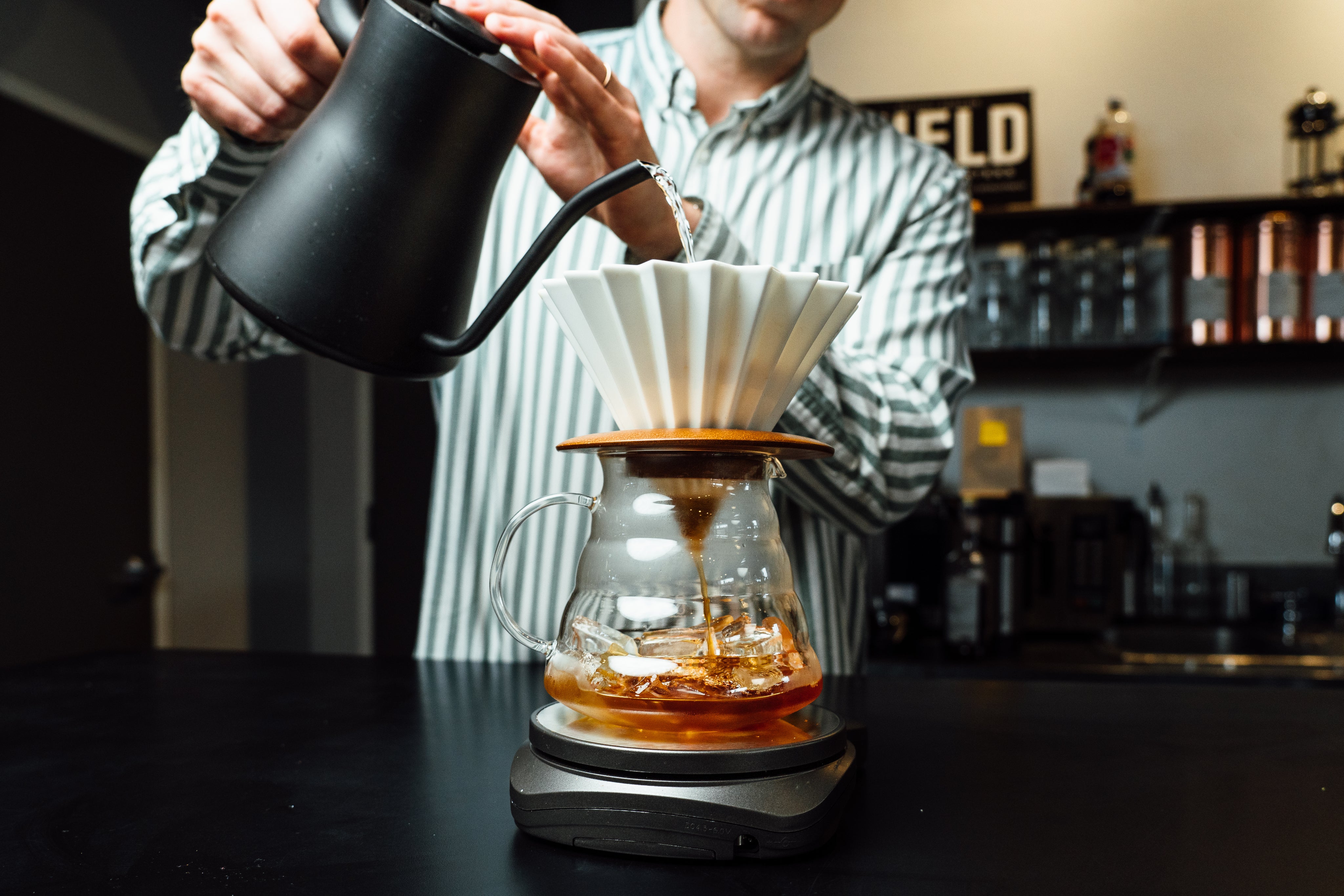
- processing clarity: washed coffees tend to show crisp acidity; naturals amplify fruit and body. Compare via our v60 guide or chemex guide.
- freshness: roast date matters more than label—our bags include roast dates; browse current releases like ethiopia duromina or mexico siltepec when available.
- storage & hygiene: controlling moisture and defects is key to avoiding quality loss. Learn more in mold in coffee.
compare origins, processes, and roast profiles side by side.
sourcing trade-offs: label, relationship, or both?
Certification can be a meaningful signal for your brand and guests. Relationships give you flexibility to target cup quality and invest directly where it moves the needle (better fermentation tanks, raised beds, selective picking). The sweet spot is often both: certified lots where it aligns with your story, plus non-certified relationship coffees with documented practices and standout flavor.
when to prioritize organic
- hotel, workplace, or corporate programs with procurement requirements.
- retail audiences that actively seek certifications on packaging.
- brand pillars that emphasize environmental credentials.
when relationship coffees may outperform
- single-origin features where flavor leadership is the primary goal.
- menus that rotate seasonally and tell specific farm/lot stories.
- espresso programs tuned to consistent flavor delivery (consider medium espresso blend or dark espresso blend as anchors).
brew settings to let the coffee speak
Whether organic or conventional, let the cup lead. For filter, start ~1:16 ratio and adjust grind to hit 2:30–3:00 on v60; chemex often prefers 1:15–1:16. For french press, 1:15 at ~200°F for 4 minutes—see our french press brew guide. If you serve iced options, compare cold brew vs iced coffee and test our cold brew blend for yield stability.
pricing, margins, and guest education
Certified lots may carry a premium; position them with clear value language—soil health, biodiversity, and traceability—backed by sensory results. Use small-format tastings, origin flights, and shelf talkers. For wholesale mechanics, review our wholesale guide and wholesale ordering. If your team needs help telling the story, book barista training.
faqs: organic vs conventional coffee
does organic always taste better?
not necessarily. altitude, variety, picking, processing, and roasting drive flavor. certification is about inputs and documentation—not a guaranteed cup profile.
is conventional unsafe?
specialty coffee—conventional or organic—follows strict processing, drying, and export standards. what matters most is lot quality and moisture control, which we verify through relationship sourcing.
how should i label my menu?
be precise. if certified, state it. if not, highlight the farm, process, elevation, and flavor notes. point guests to our flavor profiles guide for tasting language.
we’ll align coffees, training, and equipment to your goals.