Free Shipping on Orders Over $50


Direct trade coffee is a sourcing approach built on long-term relationships, transparent pricing, and shared quality goals. Rather than buying anonymous, commodity lots, roasters partner directly with producers—often the same farms season after season—to elevate cup quality and improve farmer income. At YIELD Coffee Roasters, this model underpins how we select, roast, and support coffees that perform in real café, restaurant, and office programs.

In this guide, we break down how direct trade works, what it means for flavor, and how to decide when to feature relationship coffees versus blends. For a big-picture view of coffee’s journey, see coffee from seed to cup, then dive into practical brewing with our brewing basics.
menu design, staff training, and coffee selection—built around your outcomes.
What direct trade coffee means (in practice)
- traceability: lots are tied to a specific farm, co-op, or micro-region, similar to our features like ethiopia duromina and colombia la roma.
- relationship continuity: buying from the same partners year over year supports quality investment at origin (processing equipment, drying beds, training).
- transparent value: premiums above commodity pricing reward quality and consistency, which you taste in the cup and can tell in your brand story.
- quality feedback loop: cupping together, sharing roast curves, and aligning on target profiles. See our cupping guidelines to mirror the process in-house.
How direct trade impacts flavor and consistency
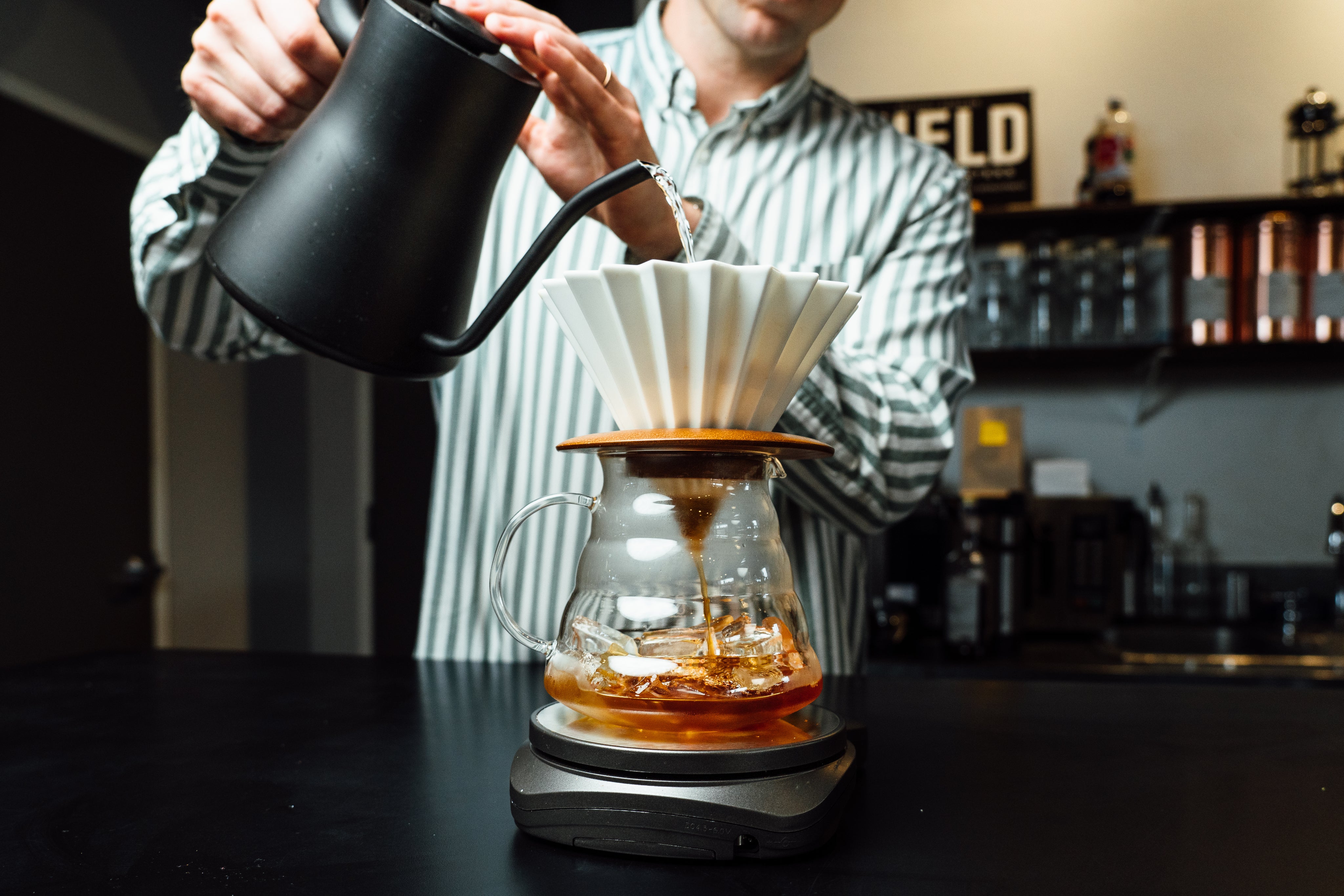
Stronger partnerships unlock better processing and lot separation—washed, honey, natural, and experimental fermentations—so you can curate distinct profiles on your bar. If you want clean, high-clarity filter coffee, pair a washed single origin with our v60 guide or chemex guide. For syrupy body in milk drinks, a natural or honey process can add fruit depth.
Operationally, relationship coffees give you a more predictable pipeline. You can plan seasonal features and education around upcoming harvests and use blends—like our medium espresso blend or dark espresso blend—as your stable anchors for espresso and batch brew.
Direct trade vs. certifications
Certifications (organic, fair trade, bird-friendly) address specific criteria at a system level. Direct trade is scoped to the relationship and outcomes between the roaster and producer. They’re not mutually exclusive: a directly traded lot may also be certified. If you’re prioritizing biodiversity, you might value bird-friendly; if you want the clearest flavor signal from a single place, direct trade plus transparent processing details can be decisive.
When to lead with direct trade on your menu
use cases where it wins
- educational flights: rotate origins and processes, and reference our coffee flavor profiles guide to train the team.
- limited features: spotlight seasonal microlots on pour-over bars; cross-promote with case studies and origin stories.
- retail velocity: rotate single origins for regulars and subscription customers—see the coffee club subscription.
where blends might be smarter
- high-volume batch brew: consistency first—anchor with house blends and add a single origin guest pot.
- espresso in milk-heavy menus: engineered balance from a blend helps maintain target flavor across shifts.
- tight cost controls: blends can stabilize COGs; deploy direct trade features as margin-friendly add-ons.
how to evaluate a direct trade offer
- details on the bag: farm/region, elevation, variety, process, harvest window, and roast date. (All our bags include roast dates; browse current releases like ethiopia sidama when available.)
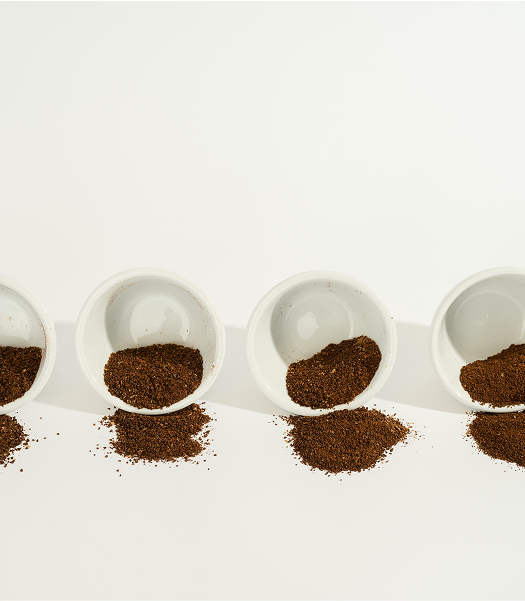
- cupping targets: request tasting notes and brew specs. Calibrate with our grind science guide to control extraction.
- supply rhythm: ask about seasonality and replacements so your menu doesn’t stall between harvests.
- training and support: look for hands-on help. Explore barista training and coffee consulting.
a curated sampler to compare origins and processing styles side by side.
brew playbooks for direct trade coffees
Start with 1:16 for pour-over and 1:15 for chemex; aim for 2:30–3:00 drawdown (v60) with a medium-fine grind. For french press, start 1:15 at 200°F and steep 4 minutes (see french press brew guide). If you serve iced options, compare cold brew versus iced coffee and consider our cold brew blend for yield and flavor stability.
pricing, margins, and storytelling
Relationship coffees typically cost more because they’re produced and separated to a higher quality spec. In return, you get a differentiated cup profile and a credible story. Price for the experience, not just the ounce—consider small-format flights, by-the-cup features, and retail bundles. For wholesale mechanics and onboarding, review our wholesale guide and wholesale ordering.
faqs: direct trade coffee
is direct trade better than fair trade?
They solve different problems. Fair trade is a certification framework; direct trade is a relationship model. Many buyers use both, depending on goals.
does direct trade guarantee better flavor?
Not automatically—but the feedback loop, lot separation, and ongoing investment make high-quality outcomes far more likely.
how can my team communicate the value?
Train against a simple script: where it’s from, how it was processed, what it tastes like, and why it matters. Use our flavor profiles guide for shared language.
we’ll align coffees, training, and equipment to your goals.