Free Shipping on Orders Over $50



Fermentation is one of coffee’s quiet power levers. Adjust the clock and you can nudge fruit character, tame acidity, or fatten body. Push too far and you invite phenolic off-notes or shelf-life issues. At YIELD Coffee Roasters, we evaluate fermentation time within the broader processing context—cherry maturity, temperature, oxygen exposure, and sanitation—to source lots that deliver clean, memorable cups your guests will come back for.
New to tasting structure? First calibrate with our coffee flavor profiles guide, then revisit brew fundamentals in brewing basics and device workflows like v60, chemex, and french press. For the upstream picture, see coffee from seed to cup.
We’ll match processing styles to your menu strategy and train your team on brew execution.
Time on the clock: the flavor curve
Fermentation time influences which compounds are produced or emphasized during processing. While specifics vary by method (washed, honey, natural, anaerobic), a practical curve looks like this:
- Early phase (hours 0–12): subtle lift in aromatics; brighter acids begin to organize; fruit reads delicate.
- Mid phase (12–36): sweetness climbs; body rounds out; fruit expression becomes more defined (stone fruit, red fruit, tropicals depending on origin).
- Late phase (36–72+): increasing risk of volatile “boozy” notes or phenolics if temperature/sanitation slip; clarity may drop.
Our intake cuppings bias for clarity and balance. If a lot’s character reads more ferment than fruit, we pass. Where anaerobic methods are used, we validate against the benchmarks in anaerobic coffee fermentation (when live on your blog) and in our mold in coffee quality controls.
Method matters: washed, honey, natural, anaerobic
Washed coffees
Shorter, tightly controlled fermentations (often 8–24 hours, temperature dependent) tend to preserve clarity and citrus-to-stone fruit acidity. Over-time here can flatten brightness and add paper or pithy notes. This is where Ethiopian and Central American washed profiles—like ethiopia sidama—shine.
Honey coffees
With mucilage intact, slightly longer timings can amplify honeyed sweetness and texture. But going long without cool temps and sanitation oversight risks funk or bitterness. We cup for ripe fruit and caramelized sweetness rather than ferment intensity.
Naturals
Whole-cherry drying extends the effective “fermentation window.” Time is balanced with airflow and bed depth. When done well, you’ll see round berries, cocoa, and florals. Pushed too far, ferment eclipses fruit and shelf-life can suffer.
Anaerobic variants
Time interacts with low-oxygen environments to emphasize ester formation and layered aromatics. Extended durations require precise temperature control and hygiene. See our deep dive on anaerobic coffee fermentation for brew specs and QA gates.
Operational risks of “too long”
- Volatile off-notes: phenolic or solventy character that overwhelms origin.
- Unstable cups: lots that taste different week to week once opened.
- Storage exposure: higher water activity or poor storage can invite spoilage—see mold in coffee.
Our mitigation: purchase lots with clean lab metrics, confirm via cupping guidelines, and validate brew range in the bar gear most customers use (see brewing basics and device guides).
Train your team with a controlled lineup across processes and roast levels.
Brew guidance to showcase time-driven flavors
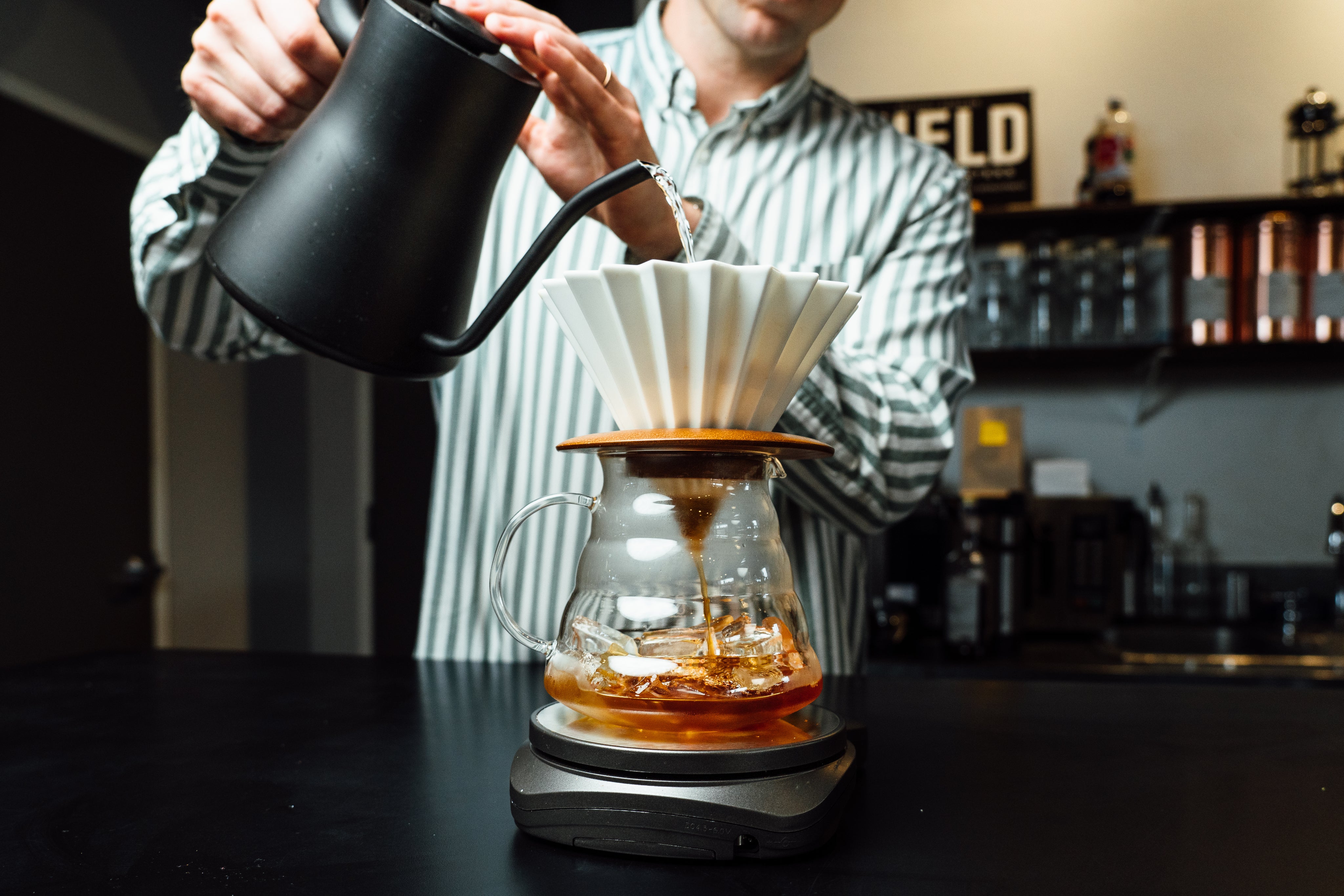
Filter (V60, Kalita, Chemex)
- Start at 1:16 and ~198–200°F. If fruit reads heavy or “jammy,” coarsen one click and reduce agitation (see v60, chemex).
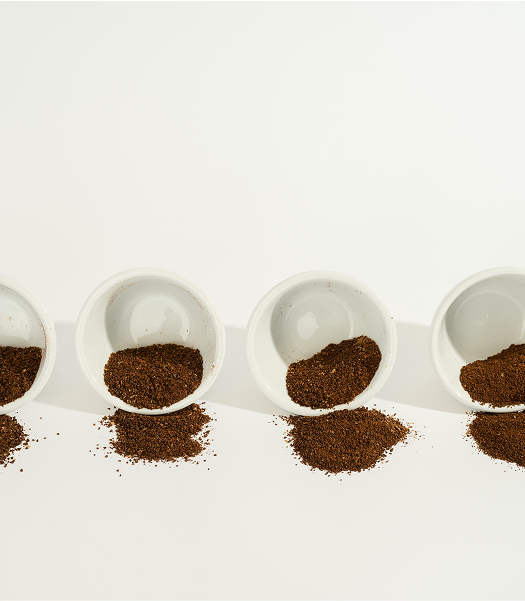
- For washed lots with shorter ferments, a slightly finer grind can lift citrus and florals.
Immersion (French press)
- 1:15, 4:00 at ~198°F. Longer-steep naturals can feel dense; offset with a coarser grind to retain clarity (see french press).
Espresso
- For long-timed naturals or anaerobics, begin at 1:2.2–1:2.4 in 26–30s; if ferment peeks out, lower temperature 1–2°C and lengthen ratio. Keep a dependable bar anchor like medium espresso blend and rotate singles as features.
Menu positioning and training
Lead with origin first, process second. A concise description beats jargon: “Washed process with a tight fermentation window for citrus clarity and honeyed finish,” or “natural process with extended drying for ripe berry sweetness.” Reinforce with staff calibration using our barista training fundamentals and the wholesale guide to standardize recipes and service language.
How YIELD validates fermentation timing
- Sourcing: partners with traceable lots, measured time/temperature logs, and clean post-harvest.
- Cupping: multiple profiles and water chemistries against our cupping guidelines.
- Green QA: moisture and water activity bands that support stability through your inventory cycle.
- Brew QA: bench in common devices; publish specs in brewing basics and device pages.
FAQs: fermentation time and flavor
Is longer fermentation always fruitier?
Not necessarily. Time amplifies some fruit notes but also raises the risk of volatile off-notes. Clean fruit comes from the right time plus temperature control and sanitation.
How do I know if I’m tasting ferment rather than fruit?
If aromatics feel solventy or the cup finishes sharp and lingering in a non-pleasant way, that’s a red flag. Train on benchmarks using the taste of YIELD sampler and our flavor profiles guide.
Do I need different brew specs for longer-timed coffees?
Often yes. Lower brew temperature by 1–2°C, reduce agitation, and test a coarser grind to maintain clarity. See device workflows: v60, chemex, french press.
From QC to training to merchandising—we’ll help you launch with confidence.
Prefer subscriptions for steady staff calibration? Consider the coffee club subscription to keep fresh benchmarks landing at your door.