Free Shipping on Orders Over $50


“bird-friendly coffee certification” signals that a coffee was grown under shade in biodiverse habitats that support migratory and resident bird populations. For consumers and operators, it’s a credible way to align purchasing with conservation goals—without losing sight of cup quality. At YIELD Coffee Roasters, our sourcing centers on relationships and cup excellence; when certification aligns with farm practice and flavor, it can be a powerful part of the story you tell at the bar or on your menu.
New to certification frameworks? Start with the broader ethics landscape in our piece on relational coffee, then explore sensory foundations in coffee flavor profiles and brewing fundamentals in brewing basics.
menu alignment, training, and coffee selection tailored to your goals.
what “bird-friendly” certifies (in plain english)
- shade canopy: minimum shade cover and multi-story vegetation that mimics natural forest, creating habitat and food sources for birds.
- biodiversity criteria: tree species diversity and ground cover that support insects and wildlife.
- agronomic practices: soil conservation, limits on certain agrochemicals, and habitat protection.
- traceability: third-party verification and documentation at the farm or cooperative level.
In practice, many smallholders already cultivate under shade. Certification codifies and verifies those practices for buyers and guests. For a full farm-to-cup perspective, see coffee from seed to cup.
flavor implications: will shade-grown coffees taste different?
Indirectly, yes. Shade can slow cherry maturation, which often improves sugar development and acidity potential. But the biggest drivers of flavor remain variety, elevation, process, and roast. Compare washed and natural profiles using our v60 guide or chemex guide, and explore single-origin expressions like ethiopia duromina when available.
how certification fits with your brand and procurement
- mission alignment: great for cafés, hotels, and workplaces that communicate sustainability commitments.
- guest education: bird-friendly labels can anchor signage, menus, and tasting flights.
- pricing: certified lots may carry premiums; position them with clear value language and sensory proof.
side-by-side comparison of origins and processes to brief your team.
brew approaches that let habitat-forward coffees shine
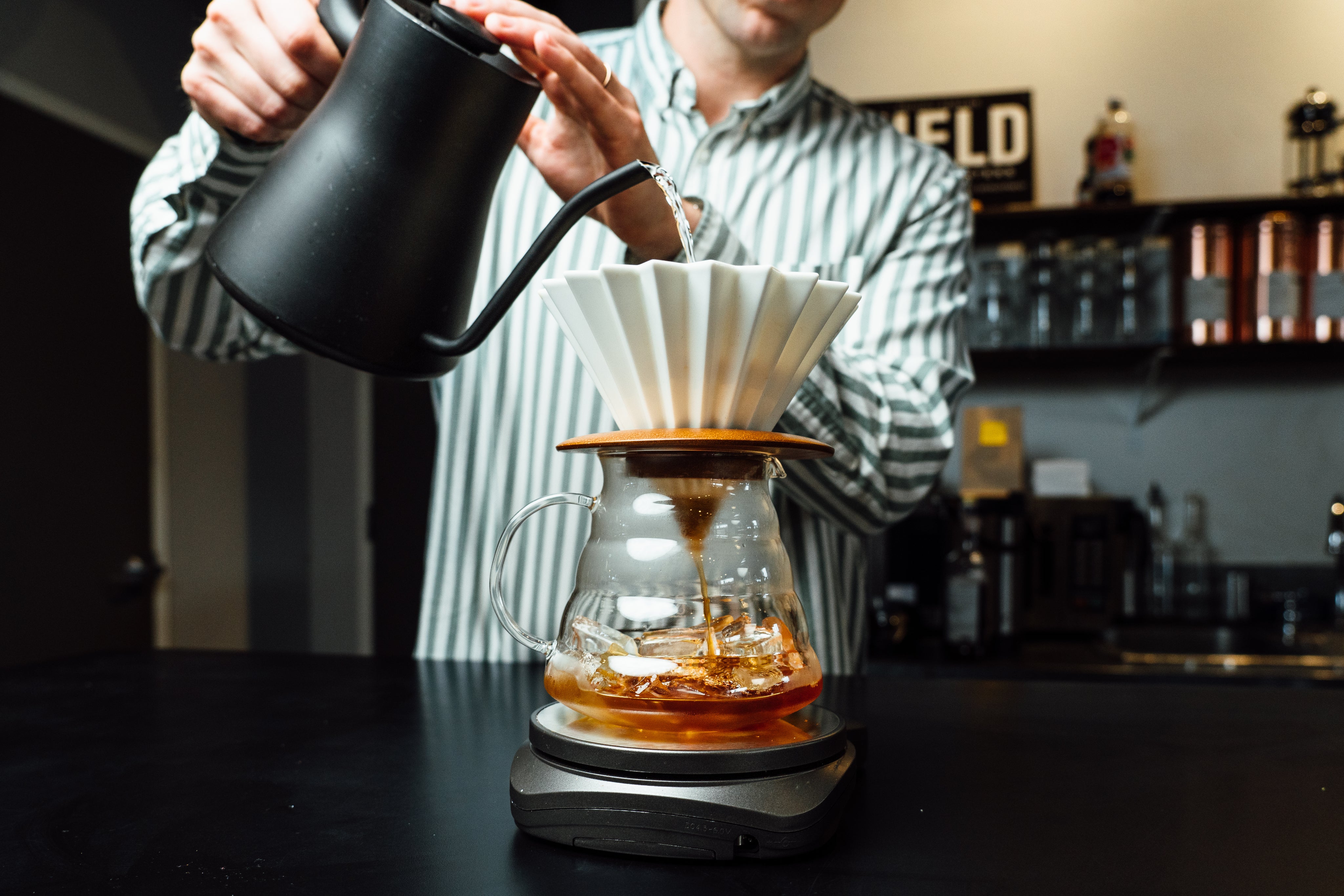
For filter service, start around 1:16 with water at ~200°F, adjusting grind for time and extraction. If you serve iced formats, calibrate between cold brew vs iced coffee and test our cold brew blend for consistent yield. For team ramp-up, book barista training.
risk management: storage, moisture, and quality control
Habitat standards are only part of the equation; post-harvest handling, moisture, and storage conditions are non-negotiable. Review lot hygiene considerations in mold in coffee, and lean on our QA to protect your program from green to cup.
wholesale enablement with yield
We’ll help you assess whether bird-friendly certification fits your brand story and SKU mix, then dial in brew specs and training. See our wholesale guide and operational steps for wholesale ordering. If you want seasonal variety without re-merchandising every month, consider a rotating feature supported by the coffee club subscription as a retail add-on.
faqs: bird-friendly coffee certification
is bird-friendly coffee always organic?
not necessarily. many bird-friendly farms follow organic practices, and some coffees carry both certifications, but they are separate standards. learn how labels compare in our coffee blog and our piece on flavor profiles.
does certification guarantee better taste?
certification verifies habitat and farming criteria; flavor still depends on variety, elevation, processing, roast, and freshness. our cupping and sourcing focus ensures the lots we select meet both story and cup standards.
how should i communicate this on menus?
use clear, concise language: “shade-grown, bird-friendly certified; notes of citrus, florals, and honey.” pair with a single-origin feature or a rotating flight. for staff enablement, reference barista training.
we’ll align coffees, training, and procurement to your goals.