Free Shipping on Orders Over $50


Finding the right coffee supplier is not a “pick a bag and hope” decision. It’s a supply-chain choice that touches your margins, your customer experience, and your day-to-day operations. The best suppliers don’t just ship coffee. They help you run a repeatable program: consistent quality, reliable fulfillment, clear pricing, and support that scales as you grow.
This guide will walk you through how to find a coffee supplier (and how to avoid the most common mistakes). You’ll also get practical questions to ask, red flags to watch for, and a simple way to compare options without getting lost in marketing claims.
Start with your business model, not the beans
The fastest way to pick the wrong coffee supplier is to shop from the product outward. Instead, shop from your operating reality inward. The “best coffee” is the coffee that can be served consistently, profitably, and on-time, in your specific environment.
Clarify your service environment
- High-touch service (cafés, bakeries, restaurants): Dialing-in espresso, drink consistency, workflow, and training matter as much as flavor notes.
- Self-serve programs (offices, campuses, hospitality): Reliability, simplicity, and inventory cadence typically matter more than endless menu complexity.
- Brand-driven programs (retail, gifting, memberships): Packaging, storytelling, and repeatability shape retention and brand lift.
If you’re building a program for a workplace or self-serve environment, review a purpose-built framework like workplace coffee solutions to pressure-test equipment, inventory cadence, and SOP requirements before you choose a supplier.
Define volume and cadence
Suppliers can only be “reliable” relative to your needs. Estimate (a) monthly volume, (b) order frequency, and (c) lead-time tolerance. A supplier that works for 40 pounds per week may not be the same supplier that can support a multi-location program with tight delivery windows.
Decide what “success” means
Write down your top three outcomes. Common examples: fewer quality complaints, higher beverage margin, less staff time wasted, a better customer experience, or a clearer sourcing story. This becomes your evaluation scorecard and keeps you from getting distracted by surface-level features.
Understand the different types of coffee suppliers
One reason businesses struggle to find a coffee supplier is that “supplier” can mean several different roles. The right fit depends on what you’re buying (green coffee vs roasted coffee), how much support you need, and how customized your program must be.
Importers and traders
These partners focus on green coffee sourcing and logistics. They can be ideal if you already roast coffee or have a dedicated roasting partner. If you’re buying roasted coffee for service, importers are usually upstream of what you actually need.
Coffee distributors
Distributors can simplify purchasing by bundling multiple products and delivery routes. The tradeoff is that “freshness control” and customization can be limited, depending on how inventory is warehoused.
Wholesale coffee roasters
Wholesale roasters can be the strongest option when you want roast-to-order freshness, a curated menu, training, and program support. Many also help with equipment guidance and workflow design.
If you’re specifically evaluating a wholesale roaster partnership model, start with a structured overview of what a full program can include, like holistic wholesale, which outlines how a supplier can support quality, reliability, and onboarding beyond simply selling beans.
Private label coffee suppliers
If your goal is to sell coffee under your own brand, private label options matter. Your supplier should be able to support packaging timelines, label compliance, and consistent production so you can scale without quality drift.
For a concrete look at how white labeling is structured (and what options typically exist), reference a dedicated explainer like white labeling solutions.
Evaluate coffee quality and sourcing standards
Quality isn’t just about taste. It’s about repeatability. A coffee supplier should help you deliver the same experience on Tuesday morning as you do on Saturday rush—without constant troubleshooting, waste, or inconsistency.
Ask about freshness and production approach
- Roast schedule: How frequently are batches roasted?
- Inventory strategy: Is coffee roasted-to-order or pulled from warehouse stock?
- Packaging: Are bags valved and designed to protect freshness during transit?
Ask about transparency and ethical sourcing
Ethical sourcing is not a buzzword if you can explain it clearly and verify it. Look for a supplier who can speak in specifics: origin, producer relationships, and how pricing supports sustainable outcomes. If “direct trade” is claimed, ask what that means operationally (not just conceptually), and how often those relationships are maintained.
Test for operational consistency
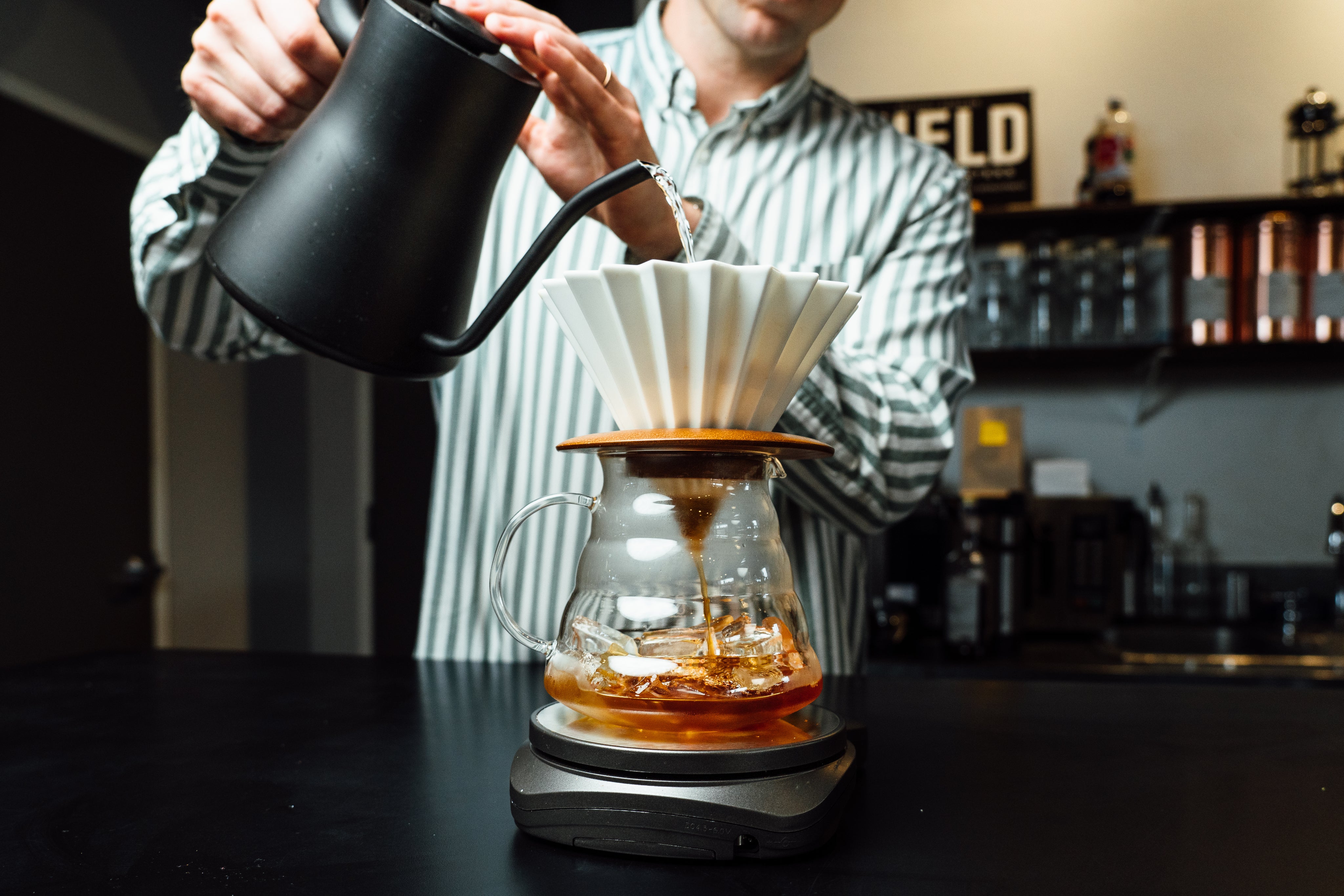
Before you sign anything, run a controlled test. Brew the coffee the way your team will actually brew it. If you’re an espresso program, test espresso. If you’re batch brew, test batch brew. If you’re self-serve, test your real-world workflow. Your goal is not to prove the coffee can taste good—it’s to prove your team can reproduce it under real conditions.
Compare wholesale coffee bean pricing the right way
Pricing is where good decisions go to die—because businesses compare the wrong numbers. “Price per pound” matters, but it’s not the full story. What matters is cost per cup, waste rates, and how pricing behaves as volume changes.
Use cost per cup, not cost per pound
Two coffees can have the same price per pound and very different cost per cup once you factor dose, grind retention, dialing waste, and brew recipe. If you’re running espresso, a supplier who helps reduce dial-in waste can be “cheaper” even at a higher base price.
Clarify what’s included
- Shipping or freight terms
- Minimum order quantities (MOQs)
- Volume discounts and tier thresholds
- Equipment, training, or onboarding support
- Contract length and price review cadence
To get your pricing analysis grounded in real market variables (origin, processing, quality, availability, and supply-chain inputs), use a pricing-specific explainer like wholesale coffee bean pricing.
Look beyond coffee: support, training, and partnership
A coffee supplier can either reduce operational friction—or quietly add to it. When you’re choosing a supplier, you’re also choosing how problems get solved: Who trains your team, who helps troubleshoot quality issues, and who helps you scale without chaos?
Training that protects consistency
For cafés and restaurants, the best ROI often comes from consistency systems: espresso fundamentals, recipe standards, milk workflow, and basic calibration routines. A supplier who provides structured training can help reduce remakes and improve guest experience without adding labor.
If training is part of your evaluation criteria, review a structured training resource like barista training to understand what a legitimate training program should cover and how it supports wholesale operations.
Suppliers often look identical until you zoom in on ordering. If ordering is unclear or slow, you’ll feel it in stockouts and last-minute panic. Ask how ordering works, how lead times are managed, and how changes are handled when you need to flex.
For example, many wholesale programs formalize ordering through dedicated platforms and workflows. A partner resource like wholesale ordering is the kind of operational support you should expect to see documented.
Questions to ask before signing with a coffee supplier
Use these questions to cut through marketing and get to operational truth. The best suppliers answer quickly, clearly, and with specifics.
- What are your standard lead times? And what happens during peak demand?
- What are your MOQs? And can they change as we scale?
- How do you handle quality issues? What’s the process and timeline?
- Can you support our brew methods? Espresso, batch brew, cold brew, self-serve, etc.
- How do you ensure consistency? Roast profiling, QC, cupping, lot tracking.
- What does onboarding look like? Training, menu setup, equipment guidance, SOPs.
- Do you offer private label? If yes, what are timelines and packaging constraints?
- How transparent is sourcing? Origin details, relationship model, traceability.
Red flags to avoid
Some issues are obvious. Others are subtle but expensive over time. These are the red flags that tend to show up after the honeymoon phase ends.
- Vague sourcing language with no specifics on origin, producers, or traceability.
- No defined QC process or inconsistent answers on how coffee is evaluated.
- Stale inventory patterns where coffee sits too long before it reaches you.
- Rigid ordering and support that forces you into “their process” without flexibility.
- Pricing that looks low but hides costs in freight, minimums, or inconsistent yields.
- No onboarding playbook which usually means you’re teaching yourself under pressure.
Why the right coffee supplier becomes a growth partner
When you choose a coffee supplier, you’re selecting a partner that shapes daily execution. The right supplier reduces friction (fewer surprises, fewer stockouts, fewer inconsistencies) and increases upside (better customer experience, stronger retention, and clearer brand value).
At the strategic level, the best suppliers help you:
- Protect brand reputation through consistent cup quality and dependable fulfillment.
- Improve margins by reducing waste, standardizing recipes, and right-sizing inventory.
- Scale cleanly with documented ordering workflows and repeatable training.
- Strengthen your story through transparent sourcing and values-driven impact.
If you want a simple “next step” process: shortlist 3 suppliers, run a real-world trial with your actual workflow, compare pricing using cost-per-cup logic, and choose the partner who can support your business model with consistency—not just great samples.
Suggested images and alt text
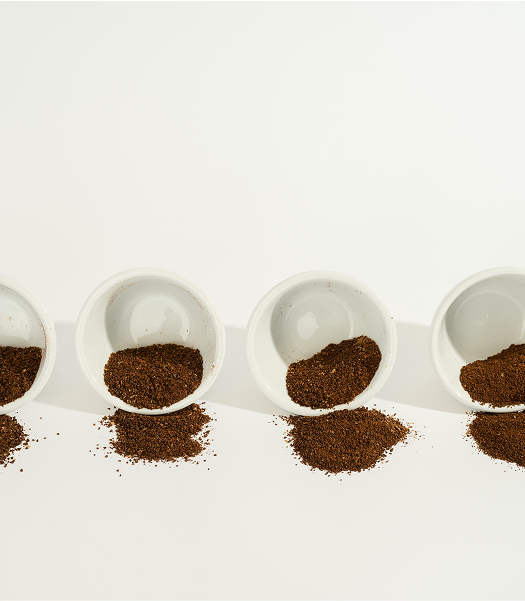
- Alt text: “Wholesale coffee sample lineup for evaluating a coffee supplier”
- Alt text: “Barista dialing in espresso to test consistency across coffee suppliers”
- Alt text: “Commercial coffee inventory storage with labeled roast dates and delivery cadence”
FAQs
What is the difference between a coffee distributor and a wholesale coffee roaster?
A distributor typically focuses on bundled delivery across many products, while a wholesale coffee roaster focuses on roasted coffee production, quality control, and program support (training, menu guidance, and operational consistency).
How much does wholesale coffee cost per pound?
Wholesale coffee bean pricing varies based on origin, processing, quality grade, and availability, plus the supplier’s production and logistics model. Compare pricing using cost-per-cup and include shipping, minimums, and yield consistency—not just a single per-pound number.
How often should a café order coffee beans?
Most cafés benefit from a predictable weekly or biweekly cadence based on volume and freshness goals. Your supplier’s lead time and your storage conditions should determine the cadence, not guesswork.
Can I private label coffee for my business?
Yes. Many suppliers offer private label or white label programs, but requirements vary (minimums, packaging timelines, label compliance, and production scheduling). Align on expectations before you commit.
What should I look for in a specialty coffee supplier?
Prioritize repeatable quality, sourcing transparency, roast-to-order freshness (when relevant), documented onboarding, and support that matches your business model. Great coffee samples matter—but operational reliability is what protects your program long-term.